

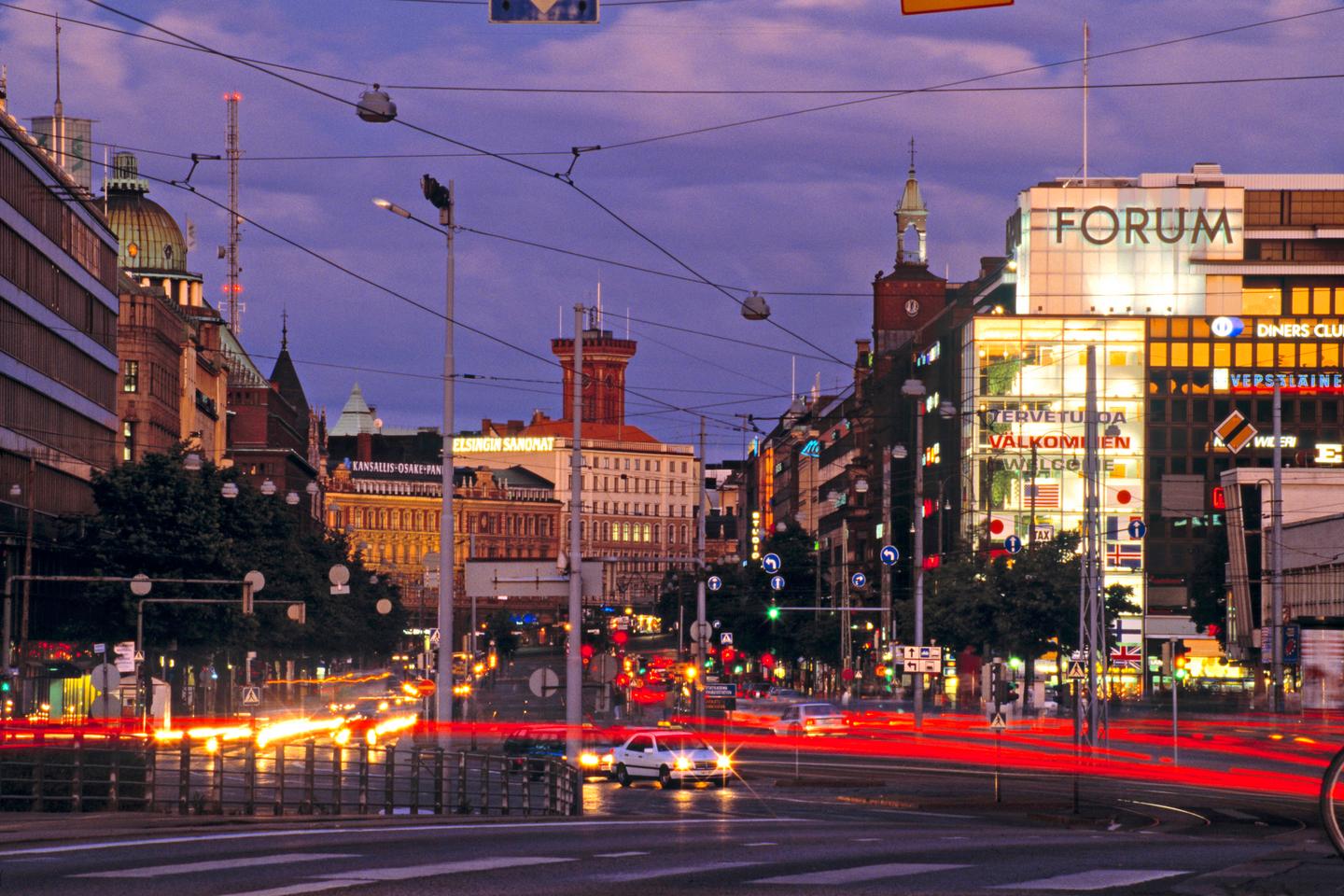
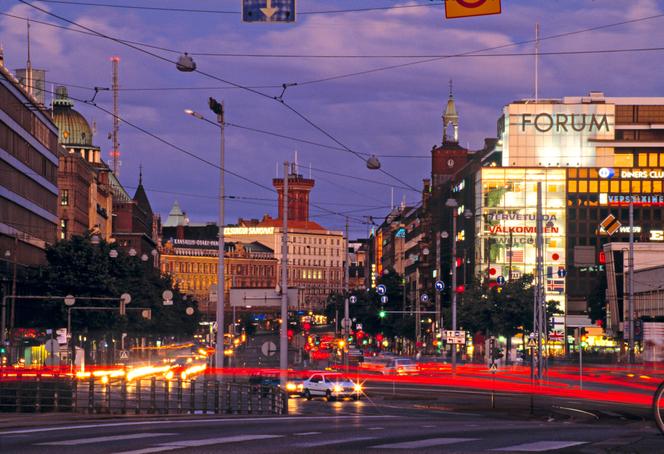
Finnish director Aki Kaurismäki, born in 1957, has often filmed his city, this metropolis of nearly 1 million inhabitants where he lived before residing for a large part of the year in Portugal. In his feature films, it is evoked by a few street corners, an avenue where trams run or a view of the Baltic. His fixed shots reveal a red brick church or a venerable cinema.
Dead Leaves (2023), his latest opus, is supposed to take place in current times, because we hear echoes of the war in Ukraine on the radio. But the characters don’t have smartphones and are dressed in seventies style. They drink and smoke, look for love and live it, do poorly paid jobs before being fired. And sometimes they fight or leave the capital for good, at the end of the film.
To appreciate Helsinki in Kaurismäki’s footsteps, perhaps you should start at Central Station, a century-old masterpiece of national romantic style, with its monumental statues carrying globes of light. Very high ceiling, you enter by operating heavy wooden doors. It is in this place that disembarks The Man Without a Past (2002). Ariel (1988), he arrives from Lapland in his old Cadillac convertible. Humble workers – night watchman like Koistinen in The Lights of the suburbs (2006), worker like The Match Girl (1990), tram driver like Lauri in In the distance the clouds go (1996) -, the filmmaker’s heroes resemble proletarians from the Kallio district, which is reached by crossing a bridge, marking the separation from the rich city.
You have 66.04% of this article left to read. The rest is reserved for subscribers.