

Close Menu

    Subscribe to Updates

    Get the latest creative news from FooBar about art, design and business.

    What's Hot
    Der Kubaner ist der 18., der in diesem Jahr im US-amerikanischen ICE-Gewahrsam stirbt: Monitor | Donald Trump-Nachrichten

    Der Kubaner ist der 18., der in diesem Jahr im US-amerikanischen ICE-Gewahrsam stirbt: Monitor | Donald Trump-Nachrichten

    May 1, 2026
    London’s Best Spots For An Aperol Spritz This Summer

    London’s Best Spots For An Aperol Spritz This Summer

    May 1, 2026
    Diese historische Stadt, nur zwei Stunden von London entfernt, wurde offiziell zum glücklichsten Ort zum Leben in Großbritannien gekürt

    Diese historische Stadt, nur zwei Stunden von London entfernt, wurde offiziell zum glücklichsten Ort zum Leben in Großbritannien gekürt

    May 1, 2026
    Facebook X (Twitter) Instagram
    • Datenschutzerklärung
    • Allgemeine Geschäftsbedingungen
    • Werben
    • Kontakt
    Facebook X (Twitter) Instagram
    De standaard Live
    Subscribe
    De standaard Live
    Home » February: Fossil evidence reveals how grey wolves adapt diets to climate change | News and features
    Travel

    February: Fossil evidence reveals how grey wolves adapt diets to climate change | News and features

    February 13, 20263 Mins Read
    Facebook Twitter Pinterest LinkedIn Tumblr Email Telegram WhatsApp
    February: Fossil evidence reveals how grey wolves adapt diets to climate change | News and features
    Share
    Facebook Twitter LinkedIn Pinterest Email

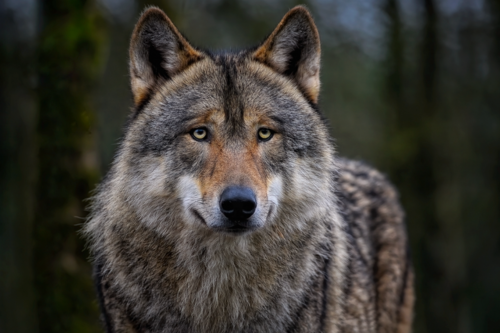
    Grey wolves adapt their diets as a result of climate change, eating harder foods such as bones to extract nutrition during warmer climates, new research has found.

    The study, led by the University of Bristol in collaboration with the Natural History Museum, and published in Ecology Letters has implications for wolf conservation across Europe and beyond.

    Researchers  compared the teeth of grey wolves from three different time periods using a method known as Dental Microwear Texture Analysis (DMTA).

    They examined samples from around 200,000 years ago, a period with summers similar to today but colder winters; from around 125,000 years ago, when summers were warmer than today and winters were milder; and from modern-day wolves in Poland, where winters are becoming warmer and snow cover is declining.

    Using DMTA, the team studied microscopic scratches and pits on wolf molars that record the animal’s diet in the final weeks or months of its life, sometimes called the ‘last supper’ effect.

    “The DMTA results from fossil wolves from the two interglacial periods were very different,” explained co-author Professor Danielle Schreve, Heather Corrie Chair in Environmental Change at the University of Bristol.

    “Tooth surface features indicate that the dietary behaviour of wolves from the older interglacial included the consumption of less hard food than those from the younger interglacial period. Wolves during these warmer temperatures appear to have been consuming carcasses more completely,” she added.

    “The real surprise was that modern wolves from Poland, where climate warming is also ongoing, show the same patterns as those from the younger interglacial, highlighting that they are also experiencing hitherto hidden ecological stress,” Professor Schreve said.

    The results showed a clear and consistent pattern: wolves living in warmer climates consumed harder foods, including bones of carcasses, a behaviour known as durophagy.

    Lead author Dr Amanda Burtt, Honorary Senior Research Associate in Bristol’s School of Geographical Sciences, said: “The findings suggest wolves were working harder to extract nutrition during warmer climate periods, scavenging more extensively or consuming parts of prey they would normally avoid.

    “The findings have major implications for wolf conservation across Europe and beyond. Grey wolves are often assumed to be resilient to climate change, but this research shows that warming temperatures should be considered a significant factor in conservation planning.”

    Wolves thrive in cold, snowy winters. Deep snow makes herbivore prey more vulnerable, limiting their prey’s access to food and reducing their ability to escape predators. Wolves are also more agile on snow and ice, and colder winters are associated with heavier wolves and higher pup survival.

    Warmer winters with less snow cover disrupt this balance, making hunting harder and forcing wolves to compensate through riskier or more energetically costly feeding strategies.

    In Poland, wolves are currently able to offset some climate-related stress by hunting deer and wild boar near farmland and by scavenging roadkill. Ironically, wolves living farther from human-modified landscapes may face greater challenges in the future due to limited access to these alternative food sources.

    Study co-author Dr Neil Adams, Curator of Fossil Mammals at the Natural History Museum, London, said: “The fossil wolf teeth involved in this project include some that have been part of the national collection for over 175 years.

    “Amid the current biodiversity and climate crises, it is more important than ever that fossil specimens in museum collections are leveraged to their full potential in studies like ours focused on conservation palaeobiology. This emerging field seeks to apply knowledge from the fossil record to modern issues of nature conservation and restoration.”

    The researchers conclude that climate change should be factored into long-term strategies for conserving large carnivores.

    The study was funded by the Natural Environment Research Council (NERC) and collaborators included the University of Warsaw, University of Leicester, and the British Geological Survey.

    Paper:

    ‘Climate change challenges Grey Wolf resilience: Insights from Dental Microwear’ by A. Burtt et al in Ecology Letters

    Share. Facebook Twitter Pinterest LinkedIn Tumblr Email

    Related Posts

    Zwei britische Strände wurden offiziell zu den besten Europas gekürt

    Zwei britische Strände wurden offiziell zu den besten Europas gekürt

    May 1, 2026
    Diese neue 24-Stunden-Buslinie verbindet den Norden Londons mit einem der größten Flughäfen der Stadt für weniger als 7 £

    Diese neue 24-Stunden-Buslinie verbindet den Norden Londons mit einem der größten Flughäfen der Stadt für weniger als 7 £

    May 1, 2026
    Einer der ältesten benannten Eisenbahndienste der Welt kehrt nach London zurück

    Einer der ältesten benannten Eisenbahndienste der Welt kehrt nach London zurück

    April 29, 2026
    EasyJet hat gerade 9 praktische neue Flugrouten aus Großbritannien angekündigt

    EasyJet hat gerade 9 praktische neue Flugrouten aus Großbritannien angekündigt

    April 28, 2026
    Eines der besten neuen Hotels der Welt wurde kürzlich in London eröffnet

    Eines der besten neuen Hotels der Welt wurde kürzlich in London eröffnet

    April 24, 2026
    Dieses Küstengasthaus aus dem 17. Jahrhundert ist der perfekte Rückzugsort aus der Hauptstadt

    Dieses Küstengasthaus aus dem 17. Jahrhundert ist der perfekte Rückzugsort aus der Hauptstadt

    April 22, 2026
    Editors Picks
    London’s Best Spots For An Aperol Spritz This Summer

    London’s Best Spots For An Aperol Spritz This Summer

    May 1, 2026
    Diese historische Stadt, nur zwei Stunden von London entfernt, wurde offiziell zum glücklichsten Ort zum Leben in Großbritannien gekürt

    Diese historische Stadt, nur zwei Stunden von London entfernt, wurde offiziell zum glücklichsten Ort zum Leben in Großbritannien gekürt

    May 1, 2026
    Japan Airlines testet Roboter, um den Mangel an Gepäckabfertigern zu bekämpfen

    Japan Airlines testet Roboter, um den Mangel an Gepäckabfertigern zu bekämpfen

    May 1, 2026
    Italienische Feuerwehrleute reagieren auf Waldbrände in der Toskana | Newsfeed

    Italienische Feuerwehrleute reagieren auf Waldbrände in der Toskana | Newsfeed

    May 1, 2026
    Latest News
    Zwei britische Strände wurden offiziell zu den besten Europas gekürt

    Zwei britische Strände wurden offiziell zu den besten Europas gekürt

    By Michael Taylor
    Olivia Rodrigo hat für nächstes Jahr vier große Londoner Shows angekündigt – hier kommt die „The Unraveled Tour“ in die Stadt

    Olivia Rodrigo hat für nächstes Jahr vier große Londoner Shows angekündigt – hier kommt die „The Unraveled Tour“ in die Stadt

    By Michael Taylor
    Freitag liest für den 1. Mai 2026

    Freitag liest für den 1. Mai 2026

    By News Room
    Facebook X (Twitter) Instagram Pinterest Vimeo YouTube
    • Privacy Policy
    • Terms of use
    • Advertise
    • Contact
    • Disclosure
    © 2026 DE Standaard Live. All Rights Reserved.

    Type above and press Enter to search. Press Esc to cancel.